
Fitness & wellness
Sweat & Tonic
A Shopify site for a Toronto boutique fitness and wellness club
Read case study →

Chatbots, agents and automations running inside the websites, stores and tools your team already uses.
Book a free AI consult Websites · Canada
As a website development company working with clients across Canada, we build business sites that are quick to load, usable with a keyboard or screen reader, and simple for your staff to edit. English and French versions can be planned from the start rather than added later.
Updated November 5, 2026
Colour contrast, heading order, form labels, focus states and alt text are checked against WCAG 2.1 AA as we build. An accessible site is easier for everyone to use, including customers on older devices or a slow connection.
If you serve French-speaking customers, each page gets an English and a French version with its own address, title and description, so both can be found in search. You or your translator supply the French wording; we handle the structure and the switcher.
A standard business website typically takes 2–4 weeks; larger custom websites, eCommerce platforms or web applications may need 4–8 weeks or more. Before launch we map old addresses to new ones, test every form and keep hosting and domain logins in your own accounts, then show your team how to make everyday updates.
Ontario organizations covered by the AODA must meet WCAG 2.0 Level AA on their public websites; we design and check against WCAG 2.1 AA, which includes it, and can share the results of our checks for your records. Newsletter and contact forms use an unticked consent box and a short note on what people are signing up for, designed around CASL's consent rules. Legal questions about either law are best answered by your lawyer.
Your website's forms and analytics are where privacy law shows up first. Under PIPEDA, the federal privacy law for most private businesses, people should know what you collect and why, and consent should be meaningful. We add clear notices to enquiry and sign-up forms, collect only the fields you need, and link a plain-language privacy policy.
If you serve customers in Quebec, Law 25 goes further: privacy settings must be the most protective by default. That means analytics and advertising cookies stay off until a visitor agrees, and the consent banner is as easy to refuse as to accept. We set up Google Analytics 4 and tag managers to respect those choices, so your reports stay useful without breaking the rules. Email sign-ups also follow CASL, with unticked consent boxes and a working unsubscribe.
A Shopify site for a Toronto boutique fitness and wellness club
Read case study →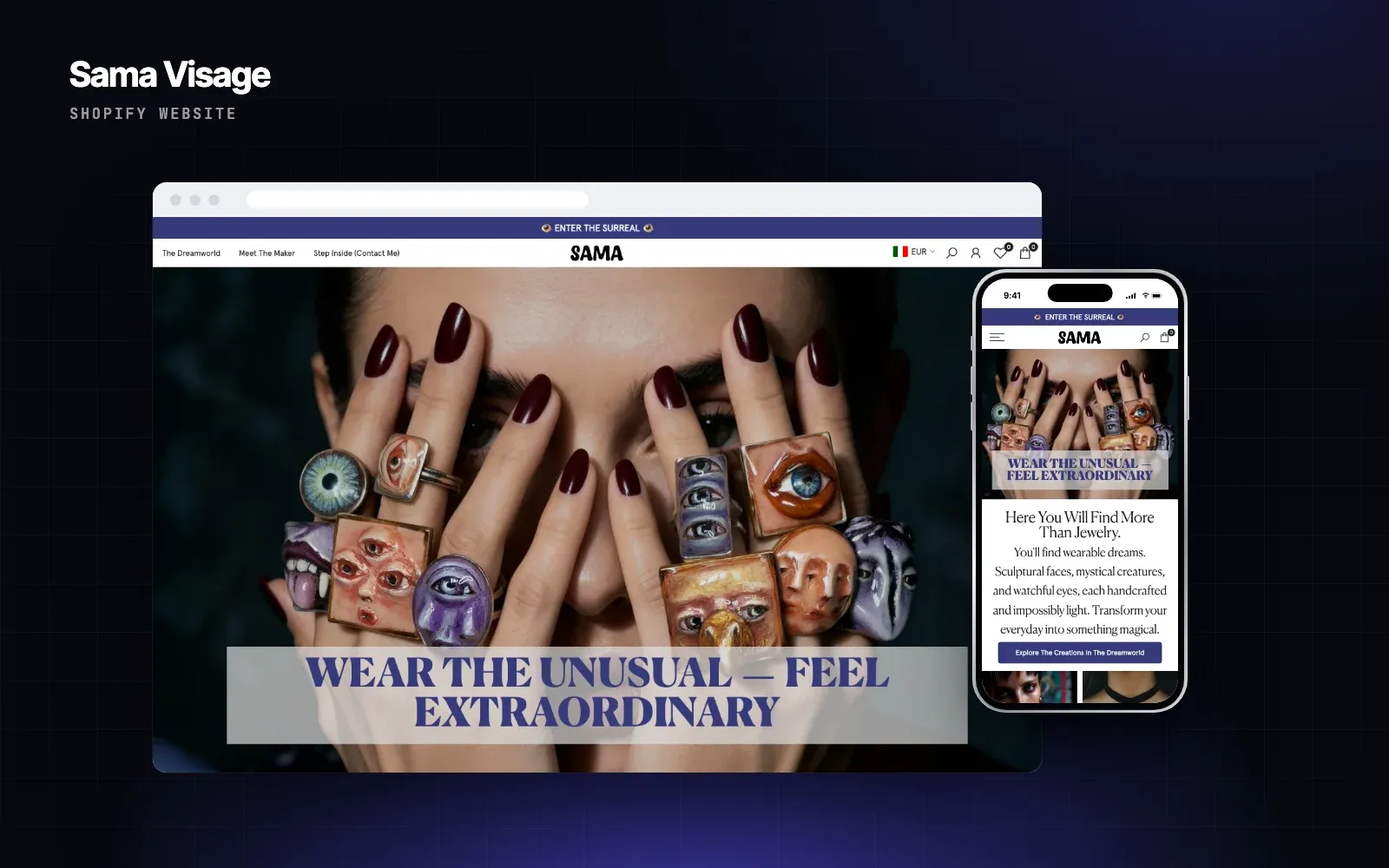
Oshawa, ON, Canada
Registered Canadian office · your Canadian point of contactMon–Fri, 9am–6pm Eastern Time
Calls and reviews in Eastern TimeQuotes in CAD.
Terms agreed in the proposal before work startsWhat the Accessibility for Ontarians with Disabilities Act asks of business websites: who must meet WCAG 2.0 Level…
Read the guide →Guide · GlobalNode2Shell (CVE-2026-111497) is a Brotli flaw in Node.js that can lead to code execution.
Read the guide →Guide · GlobalPHP2Shell (CVE-2026-109618 and CVE-2026-109619) lets attackers run code on unpatched PHP servers.
Read the guide →A standard business website typically takes 2–4 weeks; larger custom websites, eCommerce platforms or web applications may need 4–8 weeks or more. The exact schedule is set out in the written proposal.
Yes. We build bilingual sites with a switcher on every page and separate content for each language, so visitors arrive in the language they searched in.
That depends on who will edit the site and what it has to do. Webflow and WordPress cover most company sites, Shopify and WooCommerce cover stores, and Laravel or React cover portals and tools with logins.
We can set up hosting in your own account and handle updates, backups and small changes after launch, or hand everything to your team with notes on how it fits together.
Yes. We test it against WCAG 2.0 and 2.1 Level AA with automated tools and manual keyboard and screen-reader checks, then fix what we find. We don't issue compliance certificates or legal opinions.
We use an unticked checkbox with a plain description of what subscribers will receive, store the consent date and source, and make sure every email has an unsubscribe link, which supports CASL's consent requirements.